
When we think about images of retirement in American society it looks a lot like the images that we are given about the American dream. Usually there are white people in the image where one is given a loving sendoff by co-workers on a job where one worked for many years. One is given a gold watch, and there is the assumption that there will be a hefty pension, one where the retiree will be able to afford a Winnebago, and cruise the country. They will be healthy, presumably, carefree and debt free. This is the vision we are given of a retirement done the right way, although we were never shown what goes on backstage.
So, how do black women learn to retire? If this is something we learn, who do we learn it from? Who are our teachers? For many black people I knew as a young girl, retirement is happenstance. And even now, there are those who are working one week, and then the next week, they are not. Many don’t retire, per se—they simply just aren’t working anymore. They stopped working because they had a heart attack, or cancer, and couldn’t go back to work. Or, their job was downsized. Like some pregnancies, they don’t plan to retire, it just happens. Or, for whatever reason, they could not afford to retire, so they just keep working—until they can’t.
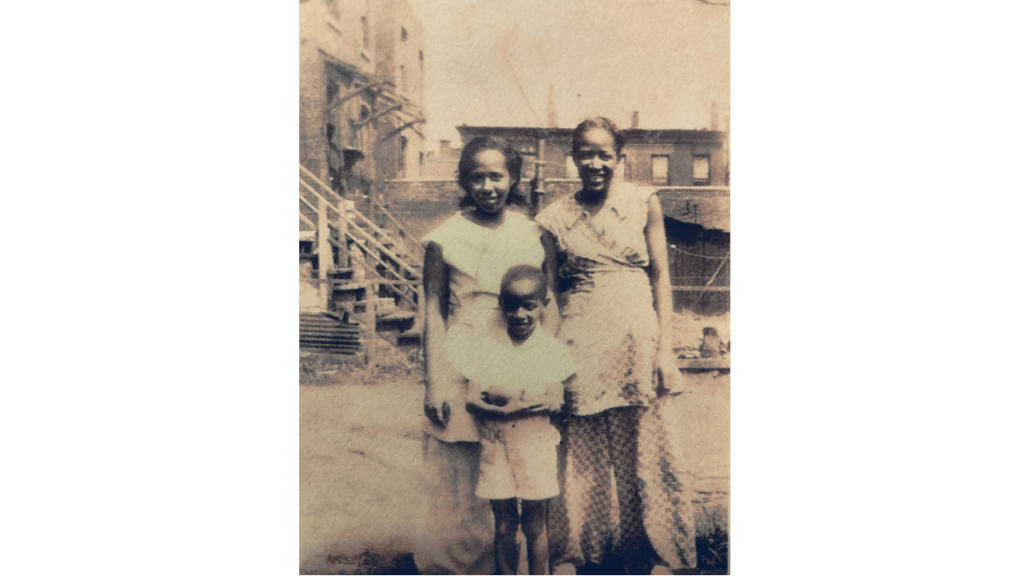
My grandmother worked as a domestic for a white family who owned an electric company, for roughly 30-years. She had a fourth-grade education, and to my knowledge, never had a bank account, never filed taxes, and never owned a home. For 30-years they paid her in cash. They promised her a pension when she could no longer work. But when she grew tired, and couldn’t work, there simply was no pension. Were it not for the social security survivor’s benefit from my grandfather, she would have had nothing.
You see, slaves were never meant to retire. Slaves worked until they were no longer useful, and died. I learned years ago that the relationship between white people and black people in this country has always been one of economics. We have been a commodity. But we must reclaim our youth and our lives back from capitalism. Young women must start now by consuming less, and then, learning and researching ways to create abundance in your lives so that you don’t need to work a job for 20, 30, 40 years to feel secure. And for those of us who are older, we must free ourselves, our minds from the lie that we don’t deserve the right to rest, peace, and leisurely strolls in a field of sunflowers.

 SPITTING OUT BONES